The forecast said gusts to twenty-five and a week of weather behind it. This was the window. I checked in at reception with a white hard hat, a printed work order, and a one-paragraph plan, and learned what I have since come to expect: nobody on site knew anyone was coming. The general manager listened, asked for a call when I was done, and went back to the beef intake. Fair enough. That is what a subcontractor bearing is for.
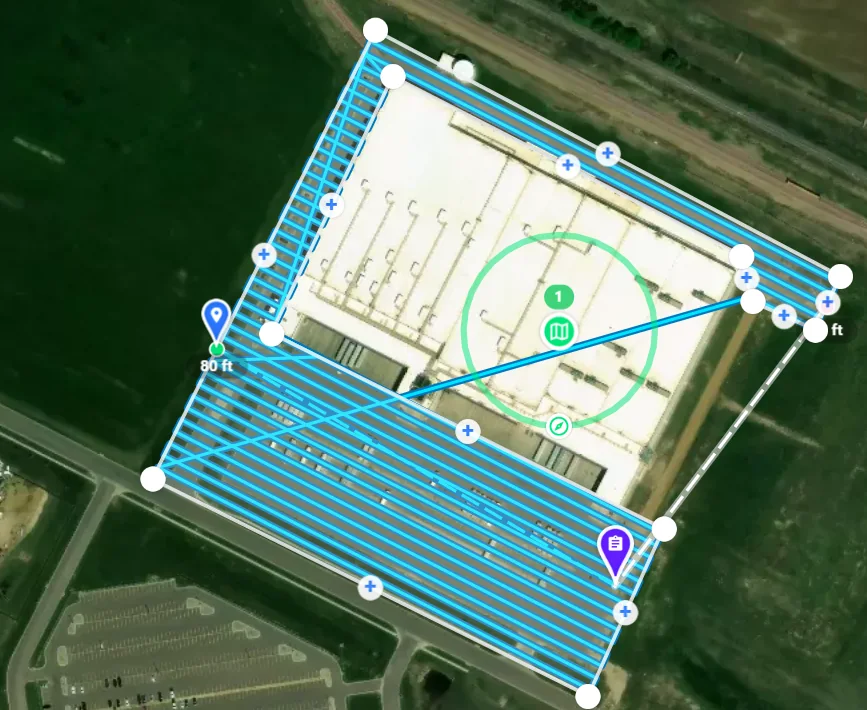
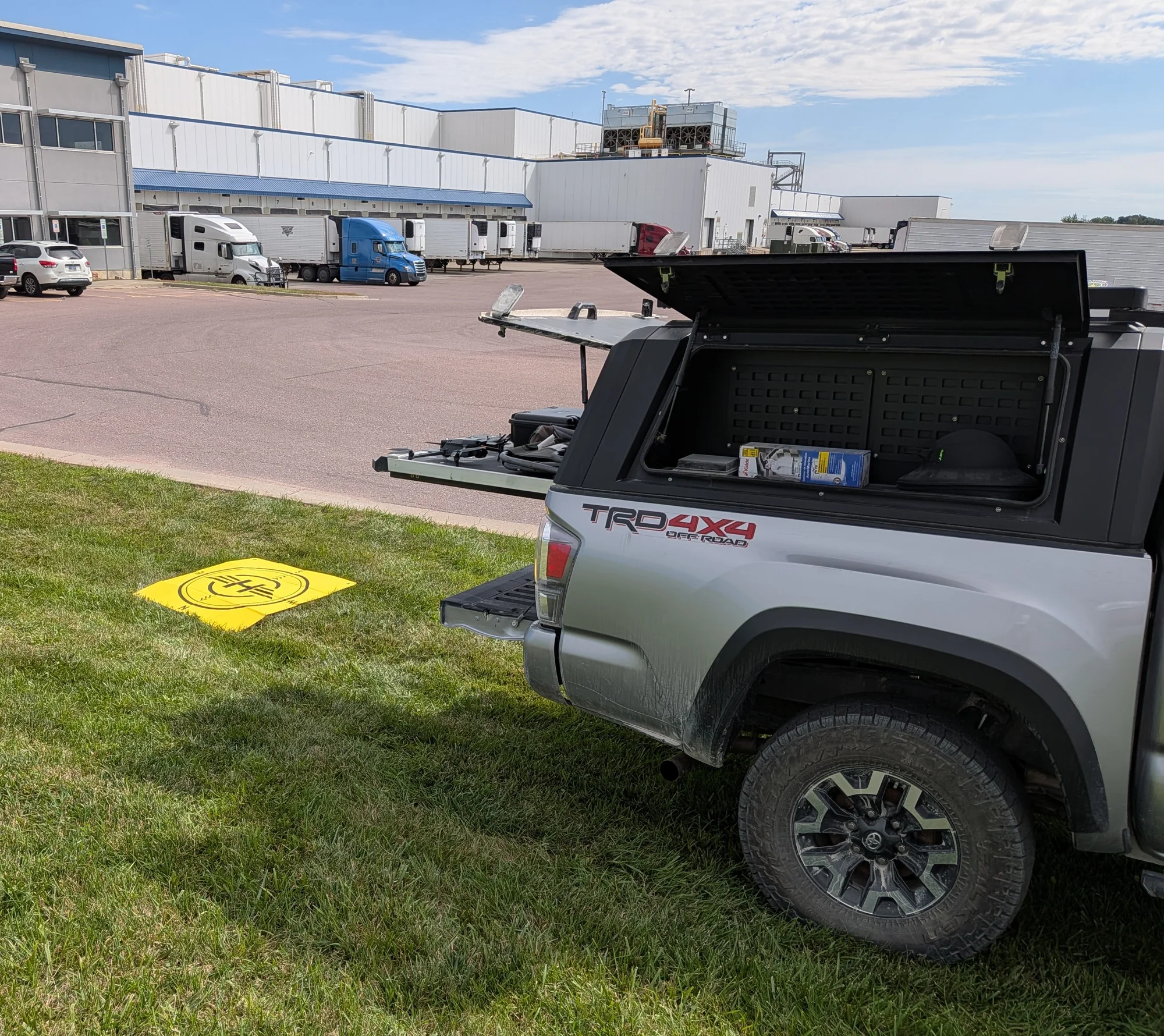
I walked the perimeter first, all of it, because the plan on the tablet is a drawing and the site is not. The cooling units on the roof were the question. I put the Mini 5 Pro up and flew at it at mission altitude until the top of the tallest unit sat in frame: sixty feet. Twenty feet of margin under an eighty-foot plan. Only then did the mapping aircraft leave the pad. Ground wind read five to eight with gusts to fifteen, a long way under the forecast, and it fell off as the lines ran.
One battery. Forty minutes. Nine hundred and fifty frames, seventy-five percent overlap each way, mechanical shutter at a thousandth. The aircraft would not start the mission with the controller in Sport, which is the kind of thing you learn once and put on the checklist forever. It landed at eleven percent, which was a gift from the calm air and not a plan, and the plan going forward is two batteries and a swap at thirty.
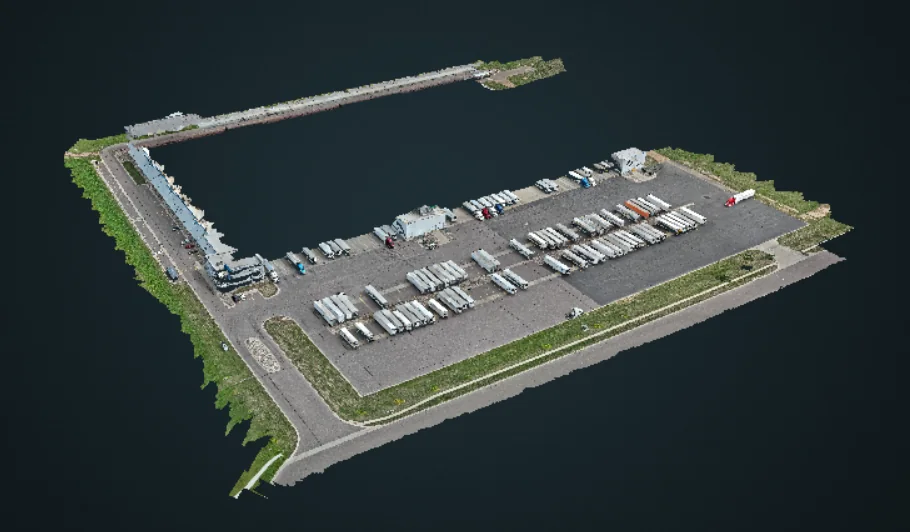
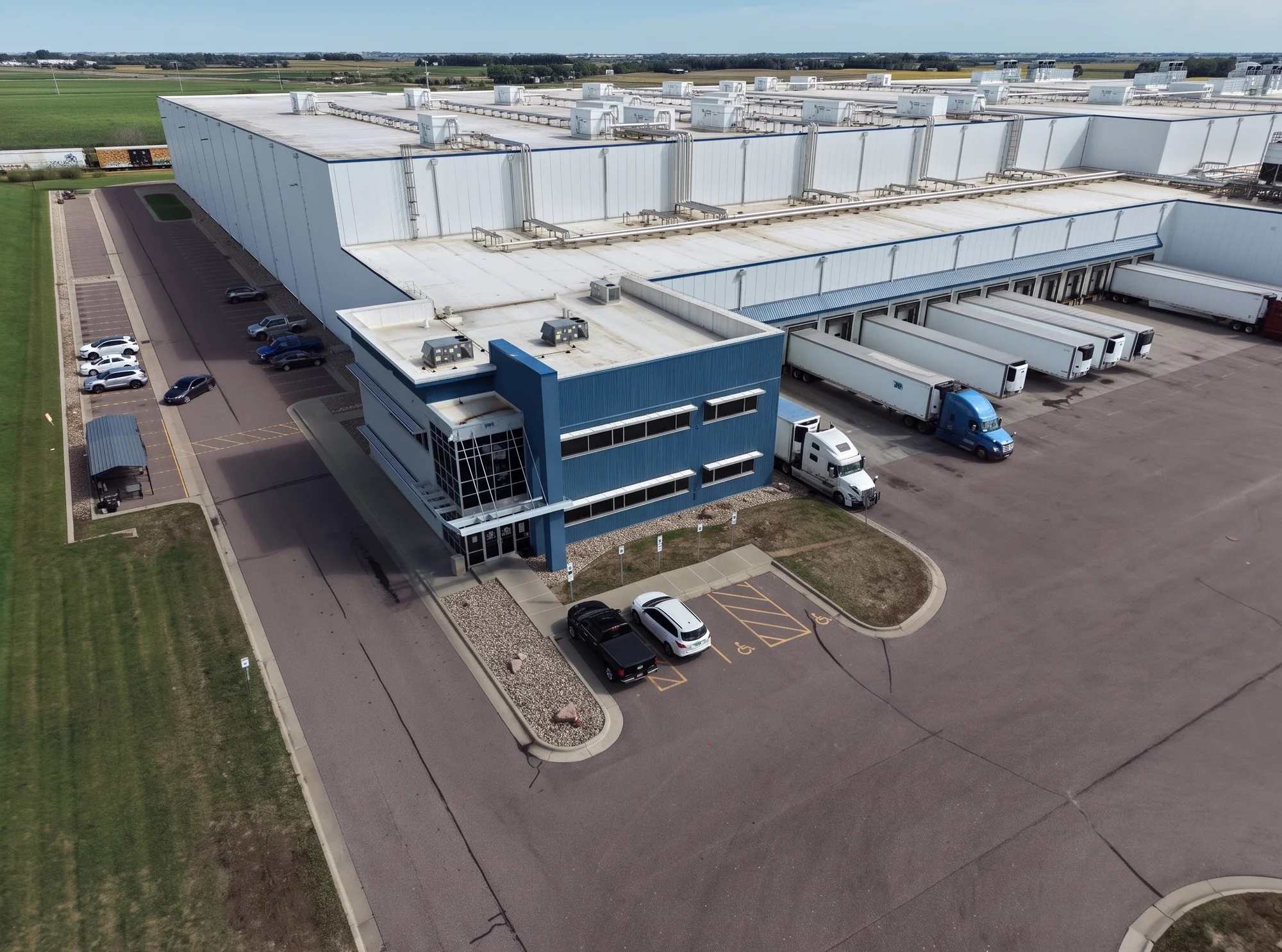
From eighty feet a truck yard is a diagram: trailers in rows, the dock face a serrated line, the office a small blue step at the corner. The model afterward makes that diagram solid. What the eye reads as a parking lot the machine reads as one continuous object with a measurable surface, which is the whole reason anyone asks for the flight.